Why Parasite Prevention Is Essential for Cumming Pets This Spring

Why Parasite Prevention Is Essential for Cumming Pets This Spring
As spring arrives in Cumming, GA, many pet owners look forward to spending more time outdoors with their dogs and cats. However, the warming temperatures and increased humidity also bring a surge in parasites like fleas, ticks, and mosquitoes—each posing real risks to your pet’s health. At Express Vets Cumming, our veterinary team sees a noticeable uptick in parasite-related concerns every spring, reminding us just how crucial proactive prevention is for our local pets. In this blog, we’ll explore why parasite prevention is so important during the spring months, how the Cumming climate contributes to these risks, and the steps you can take to keep your four-legged family members safe. Whether you’re new to the area or a lifelong resident, you’ll find practical tips and expert insights tailored to dogs and cats in Cumming and surrounding communities.
If you’re ready to take action now, you can learn more about our parasite prevention and control services designed specifically for pets in the Cumming area. Read on to discover how to protect your pet and enjoy a worry-free spring.
Recognizing the Risks: Signs Your Pet May Have a Parasite Problem
Springtime in Cumming means more time at parks, on trails, and in backyards, but it also means greater exposure to parasites. As a pet owner, it’s important to stay alert for subtle and not-so-subtle signs that your dog or cat may be battling fleas, ticks, or other harmful pests. Key symptoms include persistent scratching, biting, or licking at the skin, as well as hair loss, red or irritated skin, and visible flea dirt or ticks. For cats, overgrooming or sudden changes in behavior—such as hiding or restlessness—can also signal discomfort caused by parasites. Dogs may develop hotspots or raw areas from excessive scratching. In severe cases, especially with ticks or heartworm-carrying mosquitoes, you might notice lethargy, coughing, or weight loss.
Sometimes, the signs are easy to miss, as both fleas and ticks can be very small and may hide in dense fur. If you notice any of these symptoms or if your pet seems less energetic than usual, it’s a good idea to schedule a comprehensive pet exam with our veterinary team. Addressing these issues early can prevent more serious health complications down the line.
Why Are Parasites a Bigger Threat in Spring?
Cumming’s mild winters and humid springs create the perfect environment for parasites to thrive. As temperatures climb into the 60s and 70s, flea eggs that spent the winter dormant in your home or yard begin to hatch. Ticks become active as soon as daytime temperatures consistently rise above freezing, often hiding in tall grass or leaf litter where your pets love to explore. Meanwhile, mosquitoes—which carry heartworm larvae—emerge with the first spring rains, increasing the risk of heartworm disease for both dogs and cats.
Georgia’s climate, particularly in Forsyth County and nearby areas, is known for its long “parasite season,” which often stretches from early spring well into late fall. The extended warm, wet period means pets are at risk for much longer than in cooler parts of the country. Additionally, wildlife such as squirrels, raccoons, and deer can bring fleas and ticks into your yard, further increasing exposure.
It’s also important to remember that indoor pets are not immune. Fleas and mosquitoes can easily find their way inside, and even a brief trip outdoors—such as a routine walk or a cat’s sunbath on the porch—can lead to a new infestation. This is why veterinary professionals in Cumming strongly recommend year-round prevention, with extra vigilance during the spring.
Understanding the Dangers: Common Parasites and Their Impact
Fleas, ticks, and heartworms are the most common parasites facing Cumming pets each spring, but each poses unique risks that go beyond temporary discomfort.
Fleas are notorious for causing intense itching and skin irritation, but they can also transmit tapeworms and trigger severe allergies (flea allergy dermatitis). In kittens and small dogs, heavy flea infestations can even lead to dangerous anemia due to blood loss.
Ticks are more than just a nuisance; they can transmit serious diseases such as Lyme disease, ehrlichiosis, and Rocky Mountain spotted fever. These diseases can cause symptoms ranging from fever and joint pain to severe, long-term health complications.
Mosquitoes are the vector for heartworm disease, which is especially concerning in our region. Heartworm larvae enter your pet’s bloodstream through a mosquito bite and mature into adult worms that occupy the heart and lungs. Heartworm disease can be life-threatening, causing coughing, fatigue, and even heart failure if not detected and treated early.
Indoor-only pets are still vulnerable to these threats, emphasizing the need for consistent preventive care. If you are concerned about these risks, our heartworm testing services can help identify issues before they become serious health threats.
Professional Parasite Protection: What to Expect at Express Vets Cumming
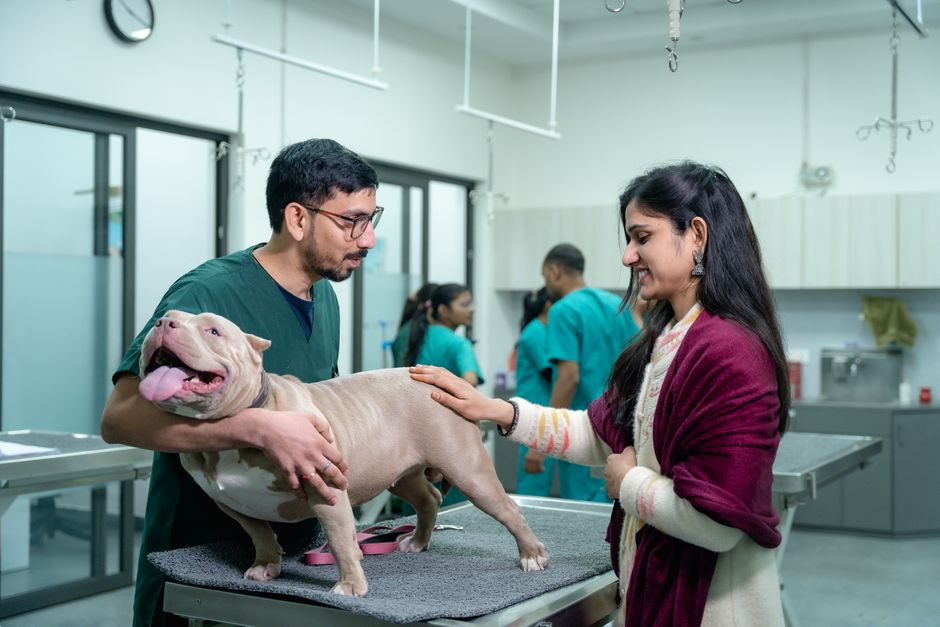
When you bring your pet to Express Vets Cumming for parasite prevention, our veterinary team will begin with a thorough history and physical examination. We assess your pet’s lifestyle, age, health status, and potential exposure risks. This individualized approach allows us to recommend the safest and most effective prevention plan for your dog or cat, whether they spend most of their time indoors, outdoors, or a mix of both.
Our veterinarians offer a range of preventive medications, including monthly chewables, topical solutions, and combination products that protect against multiple parasites at once. Depending on your pet’s needs, we may suggest year-round coverage or seasonal adjustments based on Cumming’s parasite patterns. We also perform diagnostic screenings, such as fecal exams for intestinal parasites and blood tests for heartworm disease, to ensure your pet is parasite-free before starting or continuing prevention.
If your pet is already showing signs of infestation, our veterinary team can provide fast, effective treatment to eliminate fleas or ticks and manage any resulting skin issues. Follow-up care may include additional testing or adjustments to your pet’s preventive regimen. Throughout this process, we emphasize clear communication and education, ensuring you understand the importance of ongoing protection.
Home Strategies for Keeping Your Pet Parasite-Free
While professional veterinary care is the cornerstone of effective parasite prevention, there are many steps you can take at home to reduce your pet’s risk. Regularly washing your pet’s bedding, vacuuming carpets and upholstery, and keeping your yard tidy by mowing the lawn and removing leaf litter all help minimize flea and tick habitats. For cats and dogs that spend time outdoors, checking their fur and skin after every outing is a helpful habit; pay special attention to hidden areas like under the collar, between the toes, and around the ears.
Administering preventive medications consistently and on schedule is one of the most important things you can do. Missing even a single dose can leave your pet vulnerable, especially during the high-risk spring and summer months. Using veterinarian-approved products is essential, as some over-the-counter treatments may be less effective or even unsafe.
If your pet has ever had a reaction to a parasite preventive, let your veterinarian know so we can recommend an alternative. Never use dog-specific products on cats, as some ingredients can be toxic to felines.
Involving your whole family in the prevention routine helps ensure nothing is missed. Children can help with pet checks or by keeping the yard clean, while adults handle medication administration and monitoring for signs of trouble. For more tips tailored to your pet’s risk factors, consider a seasonal wellness examination at our clinic.
When to Seek Veterinary Care for Parasite Concerns
Despite your best efforts, parasites may sometimes find their way to your pet. Knowing when to seek veterinary care can make a big difference in your dog or cat’s outcome. If you notice symptoms such as persistent scratching, visible fleas or ticks, sudden hair loss, pale gums, coughing, or unexplained lethargy, it’s time to schedule an appointment. Severe infestations, allergic reactions, or signs of heartworm disease require prompt attention from a veterinarian.
Even if your pet appears healthy, annual screening for parasites—including heartworm testing and fecal exams—remains essential. Early detection allows for safer, more effective treatment and helps protect not only your pet but also other animals in your home and neighborhood.
If you are unsure whether your pet’s symptoms warrant a visit, our veterinary team is always happy to answer your questions and provide guidance. Remember, addressing parasite problems quickly is the best way to prevent complications and keep your pet comfortable.
Why Year-Round Parasite Prevention Matters in Cumming
Some pet owners wonder if they can pause parasite prevention during the winter. However, the mild Georgia climate means parasites can remain active throughout much of the year, especially in and around Cumming. Flea eggs can survive indoors, ticks can become active on any warm day, and mosquitoes may appear earlier or linger longer than expected. For this reason, our veterinarians recommend year-round prevention for both dogs and cats, with special vigilance during spring and summer.
Consistent parasite control not only keeps your pet healthy but also saves you time, money, and worry by preventing costly treatments and complications. It also reduces the risk of parasite transmission to other pets and, in some cases, even to people.
Protect Your Pet This Spring: Take the Next Step with Express Vets Cumming
Spring in Cumming brings both beauty and challenges for pet owners. By staying proactive about parasite prevention, you can help your dog or cat enjoy the season to its fullest—without the discomfort and dangers that fleas, ticks, and heartworms bring. Our team at Express Vets Cumming is here to guide you every step of the way, from selecting the right preventive products to scheduling regular screenings and exams.
If you’re searching for a trusted vet near me who understands the unique needs of Cumming pets, our experienced veterinary team is ready to help. To get started, call us at (470) 239-7672 or visit our clinic location at 5485 Bethelview Rd. Suite 440, Cumming, GA 30040. You can also learn more about our parasite prevention and control services for dogs and cats. Together, let’s make this spring a healthy, happy season for your pet.
Disclaimer: The information provided in this blog is for educational purposes only and does not replace professional veterinary advice. If you have concerns about your pet’s health or suspect a parasite problem, please contact your veterinarian promptly.