Why Is My Dog Dragging Their Butt? Causes and Solutions
Why Is My Dog Dragging Their Butt? Causes and Solutions
If you’ve ever witnessed your dog dragging their butt across the floor, you’re not alone—this behavior, commonly called “scooting,” can be both concerning and puzzling for pet owners. At Express Vets Cumming, we often see clients from Cumming and surrounding communities who are worried when their dog starts this unusual habit. While the sight of a dog dragging butt may seem funny at first, it’s actually a sign that something isn’t quite right with your dog’s health or comfort. In this article, our team of veterinarians will explain the most common reasons behind this behavior, what you should watch for, and how to help your dog feel better this summer. If you’re searching for answers about “dog dragging butt” and want to know when it’s time to schedule a veterinary visit, you’ll find clear guidance here, along with practical tips for prevention and care.
Recognizing the Signs: When Is Butt Dragging a Problem?
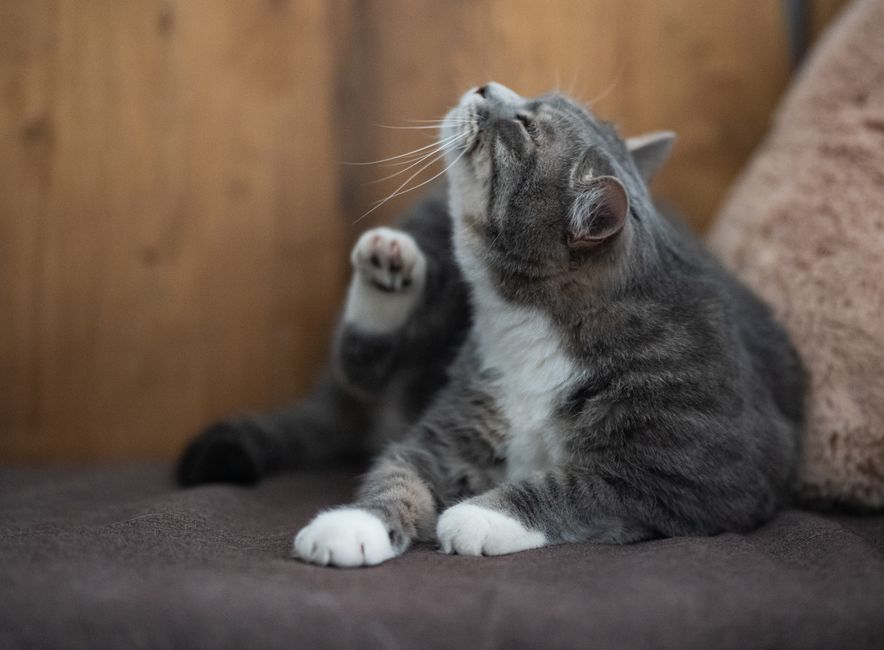
Most dogs will scoot or drag their butt occasionally, but it’s important to recognize when this becomes a sign of an underlying issue. The classic sign is seeing your dog slide their rear end across the carpet, grass, or even hardwood floors using their front paws for momentum. This behavior is usually accompanied by other indicators of discomfort. You may notice your dog licking or biting at their hind end more frequently, pausing during walks to sit and scoot, or showing signs of irritation such as whimpering or restlessness. Some dogs may have a fishy or unpleasant odor near their tail, or you may see swelling or redness under the tail. If your dog is dragging their butt regularly, especially if they seem distressed or if you notice changes in their stool, it’s time to consider possible causes and seek veterinary guidance.
Why Is My Dog Dragging Their Butt? Understanding the Causes
There are several common reasons why dogs engage in butt dragging, and most involve irritation or discomfort in the anal or hind end area. Understanding these causes can help you determine the best course of action for your pet.
Anal Gland Issues
The most frequent culprit behind a dog dragging butt is anal gland discomfort. Dogs have two small sacs located on either side of the anus called anal glands. These glands normally empty during defecation, releasing a scent unique to your dog. However, if the glands become impacted, infected, or inflamed, they can cause significant irritation. When the glands don’t empty properly, your dog may try to relieve the pressure by scooting. Symptoms of anal gland issues include a strong, fishy odor, swelling near the anus, or even the presence of blood or pus.
Parasites
Intestinal parasites such as tapeworms can also prompt your dog to drag their butt. Tapeworm segments may exit the body and stick to the fur around the anus, causing itching and irritation. Other parasites, like roundworms or whipworms, can contribute to digestive discomfort that leads to scooting. Regular parasite prevention is essential for your dog’s health; our parasite prevention and control services are designed to protect your pet from these unwelcome guests.
Allergies and Skin Irritation
Environmental or food allergies are another common cause of butt dragging in dogs. Allergies can lead to inflamed, itchy skin around the tail and hindquarters. If your dog is sensitive to certain foods, pollen, grasses, or even flea bites, the resulting skin irritation may make them more likely to scoot. The veterinary professionals at Express Vets Cumming can help pinpoint allergy triggers and provide relief with allergy testing and dermatology services.
Other Causes
Less commonly, butt dragging can be caused by issues such as rectal prolapse, tumors, or injuries to the anal or perianal area. Foreign objects stuck in the fur or between the toes may also cause your dog to scoot. In rare cases, behavioral issues or anxiety might contribute, which can be explored further during a behavior consultation.
Professional Treatment and What to Expect at Express Vets Cumming
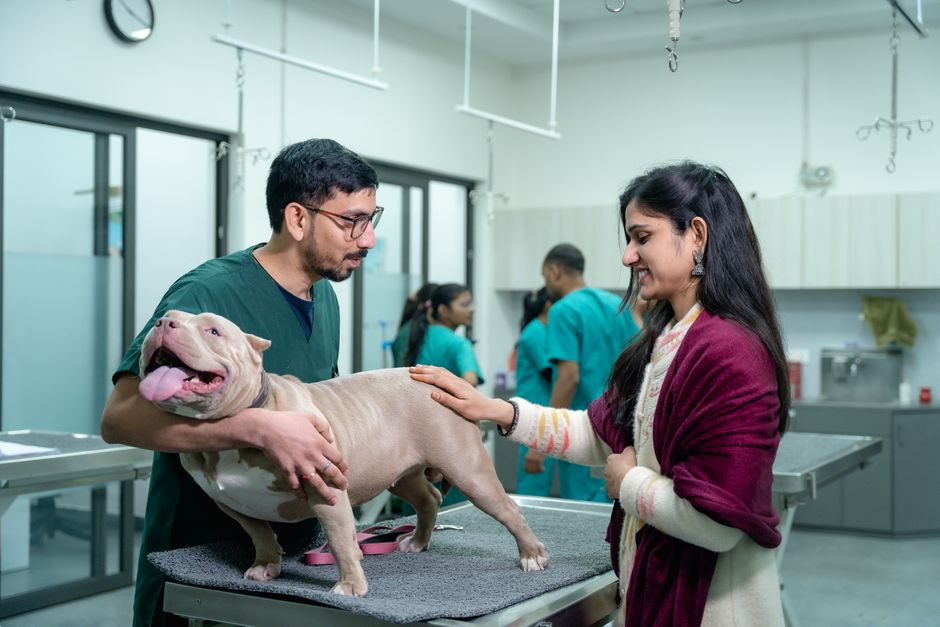
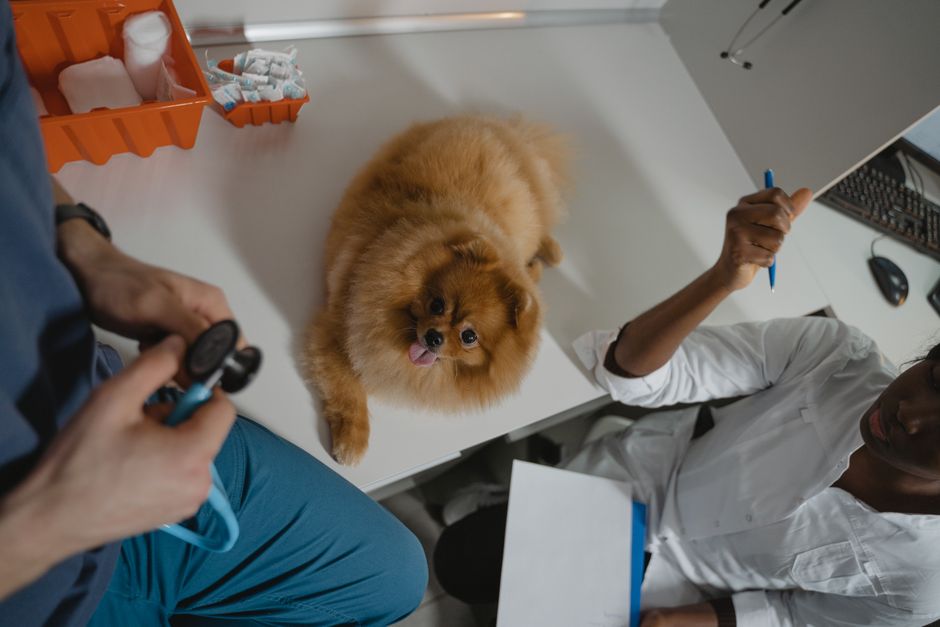
When you bring your dog to Express Vets Cumming for concerns about butt dragging, our veterinary team will start with a thorough physical examination. We’ll gently inspect your dog’s hind end for signs of swelling, irritation, or abnormal discharge. If anal gland impaction or infection is suspected, we may express the glands manually and check for signs of infection or abscess. In some cases, we may recommend a sample for microscopic examination to rule out bacteria or parasites.
If intestinal parasites are a concern, we’ll recommend a fecal exam to identify any worms or eggs. Treatment may include deworming medications or targeted parasite prevention products, which can be discussed as part of your dog’s ongoing health plan.
For dogs with allergies or chronic skin conditions, we may suggest allergy testing to help identify triggers and create a management plan. Our dermatology services are designed to address a wide range of skin and ear issues, ensuring your pet’s comfort and well-being.
In every case, our goal is to relieve your dog’s discomfort and address the root cause of their scooting. We may also provide recommendations for specialized diets or supplements if food allergies or sensitivities are contributing to the problem. If a more serious condition is suspected, such as a tumor or structural abnormality, further diagnostics or referral may be discussed.
Home Care and Prevention: Keeping Your Dog Comfortable
While some causes of dog dragging butt require veterinary treatment, there are steps you can take at home to support your dog’s comfort and reduce the risk of recurrence. Maintaining a consistent grooming routine helps keep the area around your dog’s tail clean and free of debris. Feeding a high-quality diet that supports digestive health can help promote regular bowel movements and natural anal gland expression. If your dog is prone to allergies, regular bathing with a veterinarian-approved shampoo may help soothe irritated skin.
Ensure your dog is on a regular parasite prevention program; this is especially important in Georgia, where warm weather and outdoor activities increase the risk of exposure. Our parasite prevention and control options make it easy to protect your dog year-round.
If your dog has had repeated anal gland issues, your veterinarian may recommend more frequent gland expressions or dietary changes to keep stools firm and promote natural emptying. Never attempt to express your dog’s anal glands at home without veterinary guidance, as this can cause injury or infection.
When Should You Seek Veterinary Care for Butt Dragging?
It’s important to know when home care isn’t enough. Contact your veterinarian if your dog is dragging their butt frequently, appears to be in pain, or if you notice additional symptoms such as swelling, bleeding, foul odor, or changes in appetite or energy level. Sudden onset of scooting, especially in older dogs, may be a sign of a more serious issue that requires prompt attention. If your dog is scooting after recent changes in diet, environment, or if you see visible parasites in their stool or around the anus, veterinary evaluation is recommended.
A wellness examination is an excellent opportunity to discuss any concerns about butt dragging, especially if your dog is due for routine care. Our team is here to help with both preventive and problem-focused visits—your dog’s comfort and health are our top priorities.
Supporting Your Dog’s Health in Cumming and Beyond
At Express Vets Cumming, we understand how unsettling it can be to see your dog dragging butt and not know what’s causing it. Our veterinary team is dedicated to providing compassionate care and clear answers, whether your dog needs immediate relief or ongoing management for allergies or chronic conditions. We proudly serve pets in Cumming, GA and surrounding communities with a full range of general veterinary services customized for every stage of your dog’s life.
If you’re searching for a “vet near me” in Cumming because of dog dragging butt or any other health concern, schedule an appointment with our experienced team today. We’ll work with you to find the cause and provide effective solutions so your dog can get back to feeling their best. Call (470) 239-7672 or visit us at 5485 Bethelview Rd. Suite 440, Cumming, GA 30040 to schedule your visit.
For more information on parasite prevention, allergy management, or wellness exams, explore our parasite prevention and control, allergy testing, and wellness examination services on our website. Let us help you keep your dog healthy, comfortable, and happy all year long.
This article is intended for informational purposes only and should not replace professional veterinary advice. If your dog is exhibiting concerning symptoms, please contact your veterinarian for personalized care.