Spring Parasite Prevention Tips for Cumming, GA Pets

Spring Parasite Prevention Tips for Cumming, GA Pets
As spring arrives in Cumming, GA, pet owners start enjoying more outdoor time with their dogs and cats. Warmer temperatures mean more trips to local parks, longer walks, and backyard play sessions. Unfortunately, the arrival of spring also brings a surge in parasites like fleas, ticks, and mosquitoes—which can put your pet’s health at risk. At Express Vets Cumming, our veterinary team knows how quickly these pests can become a problem, especially in our region’s humid climate. This blog will guide you through spring parasite prevention, explain why it matters for pets in Cumming and surrounding communities, and show how our services help keep your companions protected. We will cover the most common spring parasites, signs your pet may be at risk, prevention strategies, and when to schedule essential exams or treatments. Whether you are new to parasite prevention or want to refresh your routine, our goal is to help you keep your furry friends healthy and happy all season long. To learn more about how we can help, you can explore our Parasite Prevention and Control services or schedule a wellness examination at our convenient Cumming location.
Recognizing Parasite Risks: What Pet Owners Should Watch For
Spring in Cumming, GA brings a dramatic increase in parasite activity. Fleas, ticks, and mosquitoes thrive in the warmer, wetter months, making outdoor pets especially vulnerable. Key symptoms that may signal a parasite problem include excessive scratching or biting at the skin, visible fleas or flea dirt in your pet’s coat, hair loss, skin redness, or unexplained scabs. With ticks, you might notice small, round bumps attached to your pet’s skin—often hidden in less visible areas like between toes or inside the ears. Mosquito bites are harder to spot, but they can transmit heartworm larvae, which may go unnoticed until your pet starts to cough, experience fatigue, or show signs of labored breathing.
A dog that suddenly starts scratching after a walk in the woods or a cat that develops patches of missing hair after spending time on the porch may both be dealing with a parasite issue. Other signs to monitor include weight loss, changes in appetite, lethargy, or digestive upset. In some cases, parasite-borne diseases can cause more serious problems such as anemia or allergic reactions. If you spot any of these symptoms—especially if they develop quickly or worsen—it is important to consult with a veterinarian promptly.
Why Parasites Thrive in Spring: Understanding the Local Challenge
Cumming’s climate creates the perfect environment for parasites to multiply. As the days grow longer and rain showers become more frequent, flea eggs and larvae found in yards and parks hatch in large numbers. Ticks, which seek out hosts in tall grass and wooded areas, become more active with rising temperatures. Mosquitoes, responsible for spreading heartworm disease, find standing water in puddles, birdbaths, and even flowerpots.
Dogs and cats that spend time outdoors are at higher risk, but even indoor pets are not immune. Fleas and ticks can hitch a ride indoors on shoes, clothing, or other animals, setting up residence in carpets or bedding. Heartworm disease, transmitted by mosquito bites, can affect both indoor and outdoor pets since mosquitoes easily find their way inside homes. Cats are also susceptible, although their heartworm infections often look different than those in dogs.
Without consistent prevention, a single flea can quickly become a major infestation, while a single tick bite can transmit diseases like Lyme or ehrlichiosis. In the case of heartworm, it only takes one infected mosquito to start a life-threatening infection. Spring is an especially critical time to start or update your pet’s parasite prevention plan, as early protection helps prevent more serious problems later in the year.
Professional Parasite Prevention at Express Vets Cumming
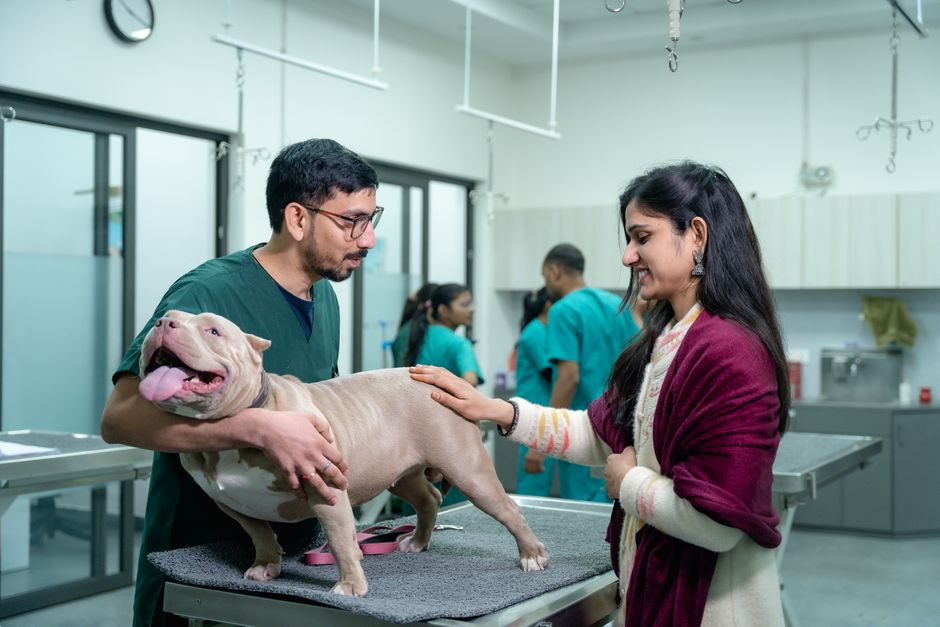
Our veterinary team at Express Vets Cumming offers comprehensive parasite prevention programs tailored to the unique needs of pets in our area. During a wellness examination, we review your pet’s lifestyle, medical history, and risk factors to recommend the most effective products and protocols. Prevention options include monthly oral or topical medications that protect against fleas, ticks, and heartworm, as well as specialized preventives for pets with allergies or sensitive skin.
When you bring your pet in for a checkup, we may recommend a heartworm test, especially if your pet has missed doses of preventive medication or if you are unsure of their protection status. Heartworm testing is a quick and simple process that helps ensure your pet is safe before starting or resuming preventive treatment. For pets who are already showing signs of parasites, our team can perform diagnostic tests to confirm the presence of fleas, ticks, or intestinal parasites and then recommend appropriate treatment.
For ongoing protection, we typically suggest year-round parasite prevention, not just during spring and summer. This is because our region’s weather can allow some parasites to survive throughout the year. We also provide guidance on how to safely use products for multi-pet households and can adjust prevention plans for pets with specific health concerns. Our wellness examination services ensure that parasite prevention is part of your pet’s overall preventive care.
Practical Steps You Can Take at Home
While professional veterinary care is essential, there are several steps pet owners can take at home to reduce parasite risks. Regularly inspect your pet’s coat for fleas, ticks, or unusual skin changes, especially after time spent outdoors. Bathing and brushing your pet can help spot early signs of infestation and remove unattached parasites. Keeping your yard tidy by mowing grass, removing leaf litter, and eliminating standing water will help minimize places where fleas, ticks, and mosquitoes can breed.
Washing your pet’s bedding and vacuuming carpets or upholstery can reduce the chances of indoor infestations. Make sure to check with our veterinary team before using any over-the-counter products, as not all are safe or effective for every pet. Some dogs and cats have sensitivities or underlying health conditions that require special consideration. Using veterinarian-recommended preventives consistently, as directed, is the most reliable way to keep your pet safe.
It is also important to remain alert to changes in your pet’s behavior or appearance. If you notice your dog scratching more than usual or your cat starting to avoid certain areas of the house, these could be early warning signs of a parasite problem. Staying informed and taking proactive steps will go a long way toward protecting your companion.
When to Schedule a Veterinary Visit
Knowing when to seek professional help is critical in catching and treating parasite problems early. If you find fleas or ticks on your pet, or if your pet develops symptoms like persistent itching, hair loss, coughing, or lethargy, it is time to schedule an appointment. When in doubt, our veterinary professionals can perform a thorough exam and recommend the right course of action.
It is especially important to have your pet tested for heartworm each year, even if they have been on regular prevention. Dogs and cats in Cumming and surrounding communities are at risk for heartworm due to the high number of mosquitoes throughout spring and summer. Puppies, kittens, and newly adopted pets should start preventive care as soon as possible. If your pet has missed a dose of their preventive medication or if you have questions about the best products to use, our team is ready to help.
For pets who are already showing signs of illness, such as coughing, difficulty breathing, or unexplained weight loss, a sick visit with a veterinarian is recommended. Delaying care can make parasite-related illnesses much harder to treat and can put your pet’s long-term health at risk.
Keeping Your Pet Protected: The Importance of Ongoing Care
Parasite prevention is not just a springtime responsibility—it is a year-round commitment to your pet’s health and comfort. By staying vigilant for the signs of parasites, understanding how they thrive in our local environment, and working closely with our veterinary team, you can help your dog or cat enjoy a happy, itch-free season. If you are searching for a veterinarian near me who prioritizes preventive care and personalized attention, Express Vets Cumming is here to support you every step of the way.
To get started or update your pet’s protection plan, schedule a wellness examination or ask about our pet vaccination services to ensure your pet is fully covered this spring. Our team of veterinarians is always happy to answer your questions, recommend the best products, and provide expert care for your companions. Contact us at (470) 239-7672 or visit our convenient 5485 Bethelview Rd. Suite 440, Cumming, GA 30040 location to give your pet the best possible start to spring. Remember: a little prevention now can make all the difference in keeping your pet healthy and parasite-free all year long.
This blog is intended for informational purposes only and does not replace professional veterinary advice. If you have concerns about your pet’s health or suspect a parasite problem, please contact your veterinarian for guidance and care.