How to Soothe Winter Allergies in Cumming, GA Pets

How to Soothe Winter Allergies in Cumming, GA Pets
Winter in Cumming, GA often brings a welcome break from the heat, but for many pets, it also introduces a different set of allergy challenges. If you notice your dog or cat sneezing, scratching, or developing skin issues as the temperature drops, you are not alone. Many pet owners in Cumming and surrounding communities face similar concerns as environmental changes and indoor allergens become more prominent during the colder months. At Express Vets Cumming, located at 5485 Bethelview Rd. Suite 440, Cumming, GA 30040, our team of veterinarians is committed to helping your pet find relief from winter allergies. In this blog, we will explore the most common winter allergy triggers for local dogs and cats, how to recognize signs of allergies, which treatment options are available, and how you can best support your pet at home. If you have been searching for practical solutions to keep your pet comfortable this season, you will find guidance tailored to our unique Georgia climate and your pet’s needs.
Recognizing the Signs of Winter Allergies in Your Pet
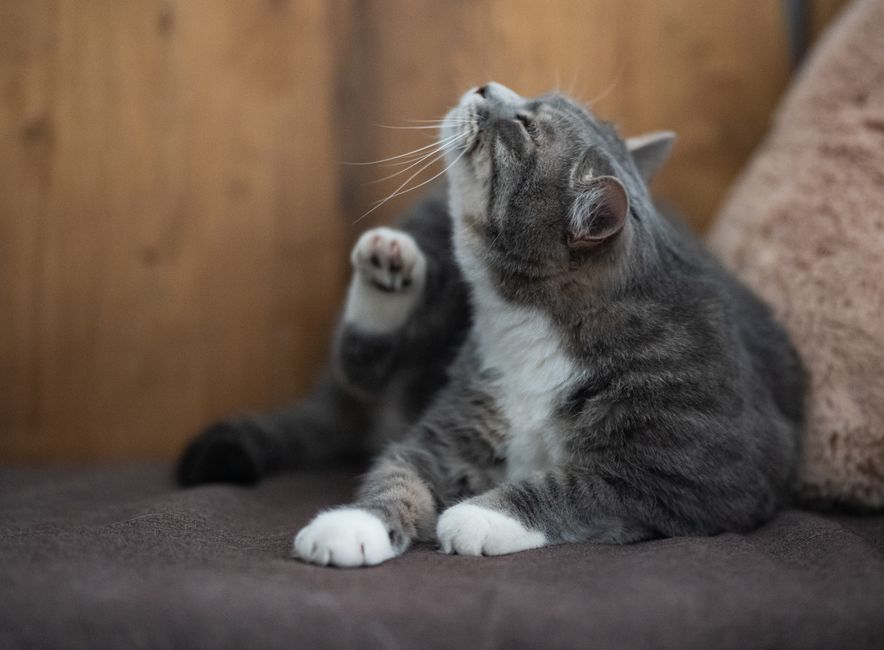
Identifying winter allergies in pets can sometimes be tricky, as the symptoms often overlap with other conditions. Key signs that your dog or cat may be struggling with seasonal allergies include frequent scratching, licking, or chewing at their paws. You may also notice red, irritated skin, watery eyes, or a runny nose. In some cases, pets will develop recurring ear infections or hot spots, particularly if their allergies are left unmanaged. Additionally, persistent sneezing, coughing, or a general sense of restlessness might indicate your pet is uncomfortable due to allergic reactions. It is not uncommon for pet owners to observe that their animal’s symptoms worsen when the heater is running or after spending more time indoors. If you notice any of these issues, especially if they are new or seem to escalate during the winter months, it is important to consider the possibility of environmental allergies and reach out to a veterinary professional for guidance.
What Causes Winter Allergies in Cumming, GA Pets?
While spring and summer are often associated with pollen and outdoor allergens, winter presents its own unique set of triggers for dogs and cats in Cumming. As temperatures drop, pets spend more time indoors, which can increase their exposure to indoor allergens such as dust mites, mold spores, and even certain cleaning products. Forced-air heating systems circulate these particles, sometimes making matters worse. In addition, Georgia’s winter season can still bring fluctuating outdoor pollen counts, especially on unseasonably warm days. Dry air, which is common in heated homes, often leads to irritated skin and can compromise your pet’s natural skin barrier, making allergic reactions more likely. Some pets may also react to wool blankets, new bedding, or scented candles that are more frequently used during the colder months. Understanding that winter allergy triggers are often a combination of environmental changes, indoor irritants, and sensitivities to grooming or cleaning products is key to managing your pet’s health during this time of year.
How Weather Patterns Influence Pet Allergies
Local weather patterns in Cumming play a significant role in allergy development. Sudden temperature changes, increased moisture from rain, or spells of dry, cold air can all contribute to the proliferation of molds and dust mites inside homes. With homes sealed more tightly against the cold, ventilation is reduced, which sometimes allows allergens to build up. Even during what seems like a dormant outdoor allergy season, Georgia’s unique environment means there can still be enough pollen or spores in the air to trigger symptoms in sensitive pets.
Professional Treatment Options for Winter Allergies
Once allergies are suspected or diagnosed, Express Vets Cumming offers a range of treatment solutions tailored to your pet’s specific needs. Our approach begins with a comprehensive physical exam to rule out other causes and to assess the extent of your pet’s discomfort. For some pets, our allergy testing services help pinpoint exact triggers, whether they are environmental, food-related, or a combination. Depending on the findings, our veterinary team may recommend medications such as antihistamines or prescribed topical treatments to soothe irritated skin. In cases where skin infections have developed as a result of excessive scratching, appropriate antibiotics or medicated shampoos may be required.
We also offer dermatology services to address chronic skin issues that are frequently associated with allergies. For pets with recurring or severe symptoms, our veterinarians can design a long-term allergy management plan, which may include regular check-ups, dietary changes, and ongoing monitoring. If your pet’s allergies are accompanied by gastrointestinal symptoms or if food sensitivities are suspected, our team may suggest specialty diets that can help reduce inflammation and promote overall health. Throughout your pet’s care journey, we will keep you informed and involved, ensuring that every step is tailored to your pet’s comfort and your family’s lifestyle.
The Role of Wellness Exams in Allergy Management
Regular wellness examinations are crucial for detecting early signs of allergies and ensuring that your pet’s treatment plan remains effective. During these visits, our veterinarians will assess your pet’s skin, coat, and overall well-being, making adjustments to treatment as needed. Early intervention not only helps prevent complications but also minimizes your pet’s discomfort throughout the season.
At-Home Tips to Prevent and Manage Winter Allergies
While professional veterinary care is essential, there are several steps you can take at home to help reduce your pet’s exposure to allergens and soothe their symptoms. Keeping your home clean and well-ventilated is a good starting point; frequent vacuuming with a HEPA filter, washing your pet’s bedding regularly, and using unscented cleaning products can make a significant difference. Running a humidifier may help combat dry air, which often exacerbates skin irritation. Bathing your pet with a gentle, veterinarian-approved shampoo can remove allergens from their skin and coat, but be careful not to over-bathe, as this can strip away natural oils. If you use space heaters or fireplaces, monitor your pet closely for any signs of respiratory irritation, and try to maintain a consistent indoor temperature.
Additionally, wiping your pet’s paws and coat after outdoor walks can minimize the amount of pollen or mold they bring inside, especially on days when counts are unusually high. Providing a balanced, high-quality diet supports immune health and can help your pet better tolerate environmental triggers. If you suspect a sensitivity to new toys, bedding, or treats introduced during the winter months, consider removing them temporarily to see if symptoms improve. Remember, every pet is different; what works for one may not be as effective for another, so patience and observation are key.
Monitoring and Recording Symptoms
Keeping a journal of your pet’s symptoms, including when they appear and any changes in your home or routine, can be extremely helpful for both you and your veterinarian. Noting patterns over time helps our veterinary professionals make informed decisions regarding testing, treatment, and prevention strategies.
When to Seek Veterinary Care for Winter Allergies
While mild symptoms may be managed at home, it is important to know when professional care is necessary. You should schedule an appointment with your veterinarian if your pet’s itching or discomfort becomes severe, if you notice open sores or signs of infection, or if symptoms persist despite your efforts at home. Other reasons to seek immediate veterinary attention include difficulty breathing, swelling of the face or limbs, sudden lethargy, or a rapid decline in appetite. These can indicate more serious allergic reactions or complications that require prompt medical intervention.
Our sick pet visit services are designed to provide comprehensive assessment and care when your pet is not feeling their best. Early intervention not only helps relieve your pet’s discomfort but also prevents minor issues from becoming chronic or more severe.
Why Regular Veterinary Care Matters
Allergies can be complex and sometimes require ongoing management. By partnering with our experienced team at Express Vets Cumming, you ensure your pet receives the most effective treatments and supportive care available. We are here to answer your questions, adjust treatment plans as needed, and provide the reassurance that comes from having a trusted veterinary partner just around the corner.
Supporting Your Pet Through Winter Allergies: Next Steps
Winter allergies do not have to diminish your pet’s quality of life. By understanding the common triggers in Cumming and staying alert to early signs, you can take proactive steps to keep your dog or cat comfortable all season long. If you suspect your pet is struggling with winter allergies, our veterinary professionals at Express Vets Cumming are ready to help. From allergy testing and dermatology services to guidance on at-home care and ongoing wellness support, we offer a full range of solutions tailored to your pet’s needs.
When searching for a veterinarian near me who understands the unique challenges of winter allergies in our region, trust our team to provide expertise, compassion, and individualized care. Schedule an appointment today by calling (470) 239-7672 or visiting us at 5485 Bethelview Rd. Suite 440, Cumming, GA 30040. Together, we can help your pet enjoy a healthier, happier winter.
This blog is intended for informational purposes only and should not replace professional veterinary advice. If you have specific concerns about your pet’s health, please contact our clinic to speak with a veterinarian.