Dog Scooting Butt: What It Means and When to See a Vet

Dog Scooting Butt: What It Means and When to See a Vet
If you have ever spotted your dog dragging their rear across the carpet or grass, you are not alone. Many pet owners in Cumming and surrounding communities worry when they see their dog scooting butt on the floor. While it might look humorous at first glance, this behavior can be a sign that your dog is uncomfortable or dealing with an underlying health issue. At Express Vets Cumming, located at 5485 Bethelview Rd. Suite 440, Cumming, GA 30040, our veterinary team understands how concerning this can be for pet owners. In this blog, we will explore what causes dog scooting, the symptoms to watch for, when to seek help, and how you can keep your pet comfortable and healthy. If your dog is exhibiting this behavior, understanding the possible reasons can help you know when it is time to schedule an appointment with our veterinarians for a thorough evaluation.
Recognizing the Signs: Is Your Dog Scooting Butt?
Noticing your dog scooting butt is usually unmistakable. This action involves your dog sitting and pulling themselves forward with their front paws while dragging their hindquarters across the ground. Some dogs may do this on carpets, rugs, grass, or even smooth floors. While a single episode may not always be cause for concern, repeated or intense scooting signals that something is bothering your dog.
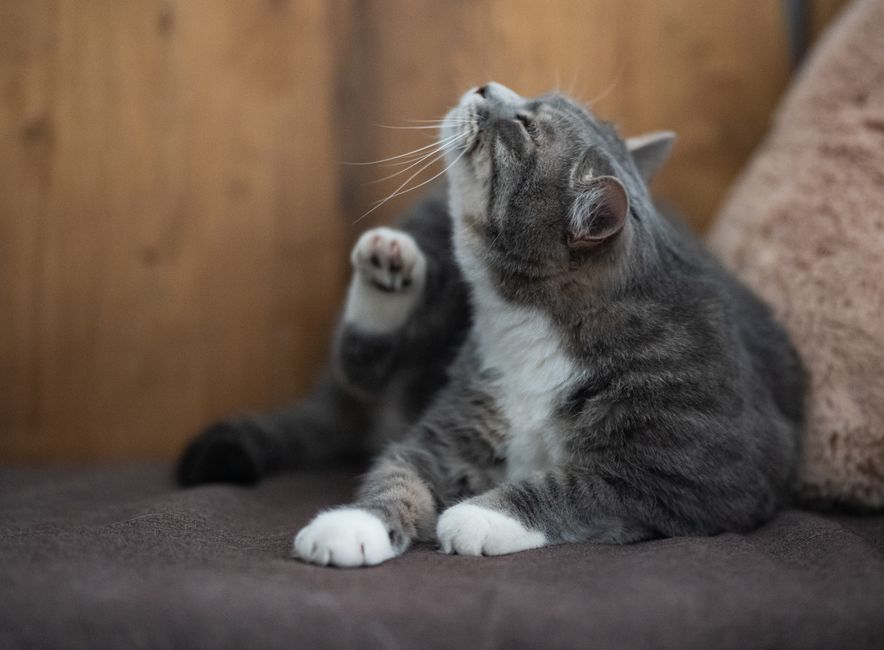
Common signs linked to scooting include excessive licking or biting at the rear, a sudden interest in their tail area, a persistent odor coming from the hind end, or visible swelling around the anus. Occasionally, you might observe your dog straining to defecate or showing discomfort when sitting. If your dog is persistently scooting, it is important to recognize that this is not simply a quirky habit but may be a sign of discomfort or irritation that warrants attention.
Why Is My Dog Scooting? Understanding the Causes
Dog scooting butt can be triggered by several medical issues, some of which are more common in certain breeds or during particular seasons in Cumming. The most frequent causes of scooting include impacted or infected anal glands, which are small scent glands located just inside your dog’s rectum. When these glands do not empty properly, they become swollen and can cause irritation or even infection.
Other contributing factors include intestinal parasites such as tapeworms, which can cause itchiness around the rear. Allergies are another common culprit, especially in springtime when pollen and other allergens are prevalent in Georgia. Dogs with skin infections, dermatitis, or food sensitivities may also scoot as a way to alleviate itching. Additionally, matted fur around the anus or leftover fecal material can create discomfort and prompt scooting behavior.
Occasionally, more serious issues such as rectal masses or injuries may be involved. Because the causes can range from mild to more complex, it is essential to have your dog evaluated if scooting continues or is accompanied by other symptoms like bleeding, pain, or behavioral changes.
Treating Dog Scooting Butt: What to Expect from Your Veterinarian
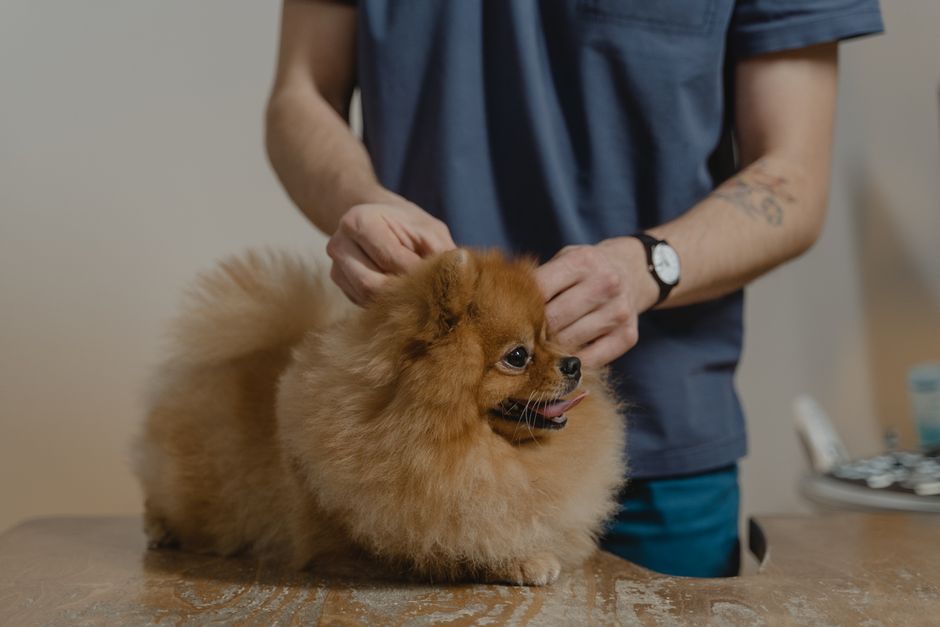
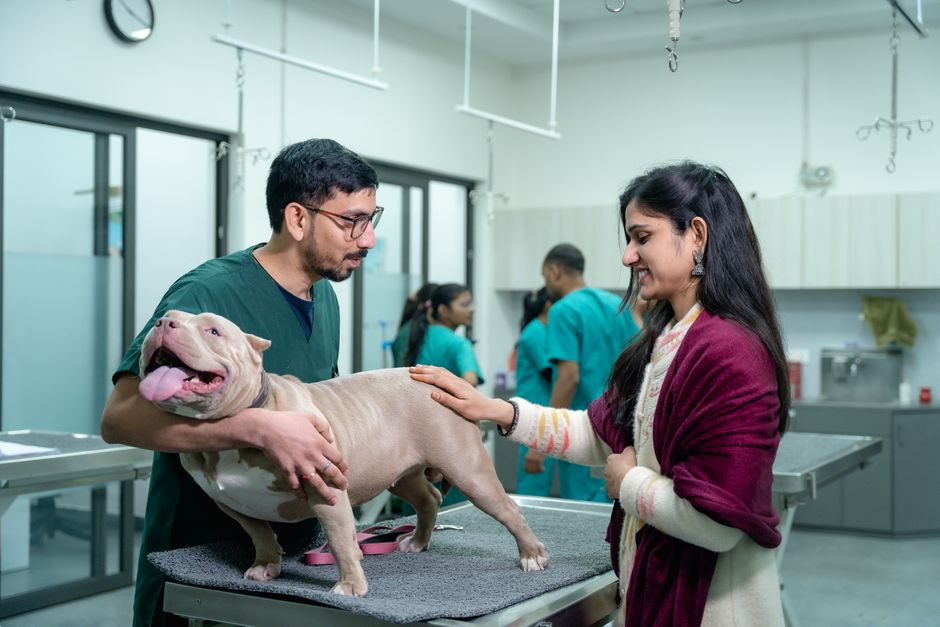
When you schedule an appointment for dog scooting butt at Express Vets Cumming, our veterinarians will begin with a comprehensive pet exam to identify the root cause. The visit may include a thorough physical examination of your dog's hind end and rectal area, as well as questions about recent changes in behavior, diet, or environment. If anal gland issues are suspected, our team may manually express the glands to provide relief. In cases where infection is present, treatment involves cleansing the area and prescribing appropriate medication.
If parasites are suspected, your veterinarian may recommend a fecal test and, if necessary, prescribe a dewormer. For dogs with allergies or skin issues, our team can discuss options for allergy testing and dermatology services to help manage itchiness and discomfort. Sometimes, a change in diet or grooming habits is advised, particularly for breeds with long or dense fur that can trap debris.
It is important to follow your veterinarian's recommendations closely. Professional treatment not only addresses your dog's immediate discomfort but also helps prevent recurrence. With our primary care services, we can help manage both acute and chronic causes of scooting, ensuring that your pet remains healthy and comfortable year-round.
Preventing Scooting: Home Care and Ongoing Wellness
While not all cases of dog scooting can be prevented, there are practical steps you can take at home to reduce your pet’s risk. Regular grooming, particularly for dogs with long or fluffy fur, can help prevent matting and keep the area around the anus clean. Maintaining your dog's parasite prevention schedule is crucial; this includes year-round protection against intestinal worms and other parasites that can trigger scooting. For more information about keeping your pet protected, our parasite prevention and control services are a valuable resource.
A balanced diet that supports digestive health, along with ample hydration, can minimize the risk of anal gland problems. If your dog has a history of allergies, working with our veterinary team to identify triggers and manage symptoms can help reduce flare-ups that may lead to scooting. Monitoring your dog’s bathroom habits and promptly cleaning up after outdoor walks also contribute to overall hygiene and comfort.
Regular wellness visits allow our veterinarians to catch potential issues early, ensuring that minor discomfort does not turn into a larger health concern. Prevention is always easier than treatment, and ongoing veterinary care is the best way to keep your dog feeling their best.
When to Schedule a Veterinary Visit for Dog Scooting Butt
It can be difficult to know when scooting is a minor irritation and when it is time for professional help. If you notice your dog scooting repeatedly, licking or biting at their rear more than usual, or displaying other signs such as swelling, redness, bleeding, or a change in bowel movements, it is important to schedule an appointment with our veterinary team.
Additionally, if your dog seems to be in pain, cries out when sitting, or if you notice a strong odor, these are clear signals that immediate veterinary attention is needed. Dogs with underlying illnesses, allergies, or chronic anal gland issues benefit from prompt intervention to avoid complications.
At Express Vets Cumming, we are dedicated to providing comprehensive care for every stage of your pet’s life. Our sick visit services ensure that urgent problems are addressed quickly, and our knowledgeable team can help you understand the cause of your dog’s scooting and develop an effective treatment plan.
Keeping Your Dog Comfortable and Healthy in Cumming
Dog scooting butt is a common concern that can have a variety of causes, ranging from simple hygiene issues to more complex medical problems. By being attentive to your dog’s behavior and seeking veterinary care when needed, you can help your pet stay comfortable and healthy throughout the year. The team of veterinarians at Express Vets Cumming is here to support you with preventive care, diagnostics, and ongoing wellness services.
If you are searching for a compassionate vet near me who understands your dog’s needs, we invite you to schedule an appointment with our veterinary professionals. Whether your pet needs a thorough examination, allergy testing, or advice on parasite prevention, we are ready to help. Contact us at (470) 239-7672 or visit our convenient location at 5485 Bethelview Rd. Suite 440, Cumming, GA 30040 to book your appointment today. Do not let dog scooting butt go unchecked; your pet’s comfort and wellbeing are our top priorities.
This blog is intended for informational purposes only and should not be considered a substitute for professional veterinary advice. If you have concerns about your pet’s health, always consult with your veterinarian.