Dog Scooting Butt on Floor: Causes and Effective Solutions
Dog Scooting Butt on Floor: Causes and Effective Solutions
If you’ve spotted your dog scooting their butt on the floor, you’re not alone—and it’s a sight that can be as concerning as it is awkward. Many pet owners in Cumming and surrounding communities encounter this problem, wondering if it’s just a funny quirk or a sign of a more serious issue. At Express Vets Cumming, our team understands how distressing it can be to watch your beloved companion drag their backside across the carpet, and we’re here to help you get to the bottom of the problem. In this guide, we’ll explain what it means when you see dog scooting butt on floor, discuss common causes, outline practical home steps, and show you when it’s time to schedule an appointment at our conveniently located clinic at 5485 Bethelview Rd. Suite 440, Cumming, GA 30040. Whether you’re dealing with allergies, anal gland issues, or parasites, our full-service veterinary professionals are here to diagnose and relieve your pup’s discomfort, restoring their health and your peace of mind.
Recognizing When Dog Scooting Is a Problem
It’s common for dogs to occasionally rub their hind end along the floor, but frequent or persistent dog scooting butt on floor behavior often signals that something is wrong. You may notice your dog pausing during play to drag their rear, repeatedly scooting after going outside, or licking and chewing at the area more than usual. Sometimes, this behavior is accompanied by visible redness, swelling, or a foul odor from the hindquarters. Other warning signs include your dog straining to defecate, whimpering in discomfort, or showing sudden changes in behavior such as restlessness or irritability. While a single episode might not be cause for alarm, repeated scooting—especially when paired with any of these additional symptoms—means your dog could be experiencing pain or irritation that needs prompt attention.
Common Causes of Dog Scooting Butt on Floor
There are several reasons why dogs develop the urge to scoot their bottoms across the floor. One of the most common culprits is anal gland discomfort. Dogs have two small glands located near the anus that naturally release fluid when they defecate, but these glands can sometimes become impacted or infected. When this happens, your dog may scoot in an attempt to relieve the pressure or itchiness. In addition to anal gland issues, allergies are a frequent cause of hind-end irritation. Environmental allergens such as pollen, dust mites, or grasses can inflame the skin around your dog’s anus, leading to itching and scooting. Food sensitivities, especially to ingredients like chicken or grains, may also contribute to inflammation in some dogs.
Another possibility is the presence of internal parasites, especially tapeworms or roundworms, which can cause itchiness near the rectum. Flea allergies are another source of discomfort, as even one flea bite can trigger a strong reaction in sensitive dogs. Less commonly, your dog may experience scooting due to skin infections, small wounds, or even tumors in the anal region. Finally, matted fur or debris around the hindquarters—especially in long-haired breeds—can cause enough irritation to prompt scooting behavior.
If you’re concerned about potential allergies or skin conditions, our allergy testing services and dermatology care can help identify and manage the underlying cause.
How Our Veterinary Team Diagnoses and Treats Scooting
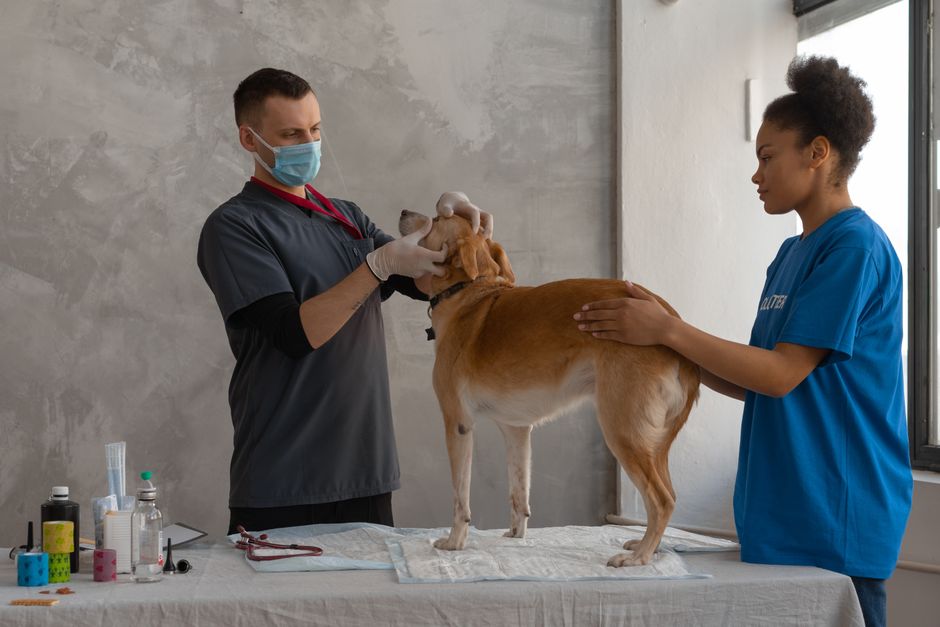
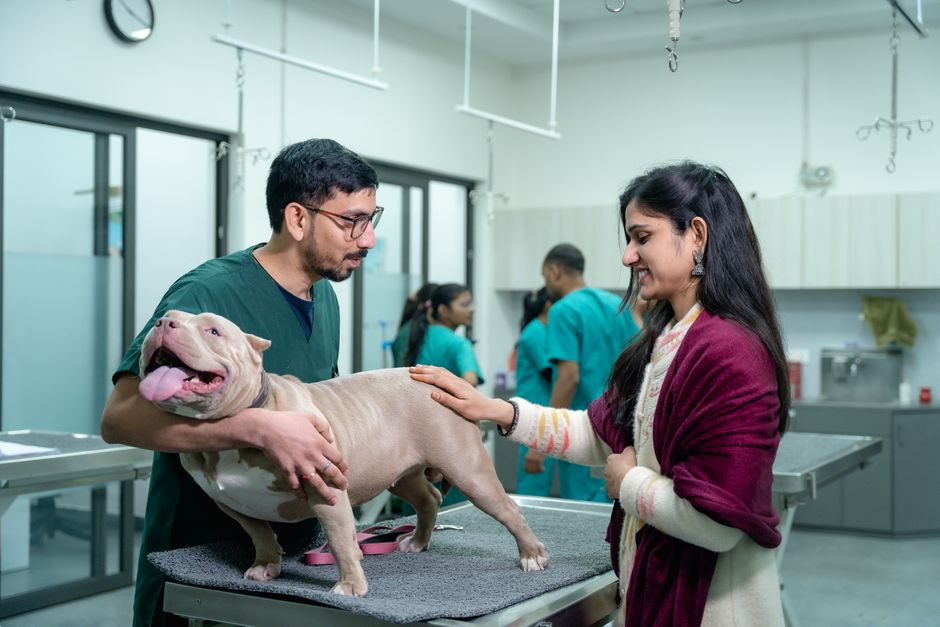
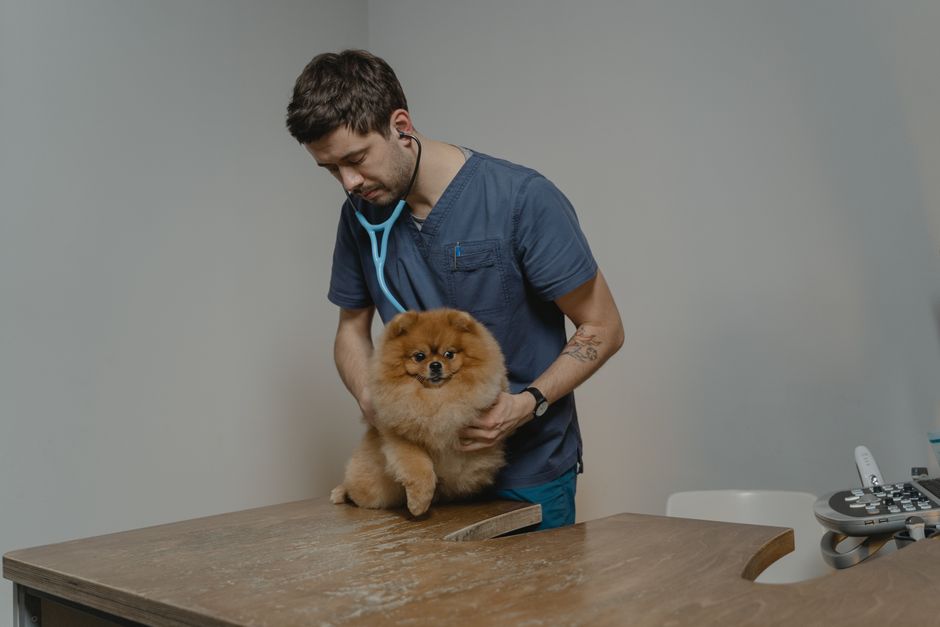
When you bring your dog to Express Vets Cumming for scooting concerns, our veterinarians begin with a thorough physical examination. We’ll ask about the frequency and duration of your dog’s scooting, any changes in bowel movements, diet, and other symptoms like licking or chewing. During the exam, we carefully inspect the anal area for swelling, redness, discharge, or parasites. Anal glands are checked for fullness, impaction, or infection. If necessary, our veterinary professionals may express the glands manually to relieve discomfort. In some cases, a sample may be taken to check for infection under the microscope.
If your dog’s symptoms suggest allergies or skin irritation, we may recommend diagnostic steps such as skin scrapings, cytology, or allergy testing. For dogs with signs of intestinal parasites, a fecal exam helps identify and treat the problem quickly. Our parasite prevention and control services can be tailored to your pet’s needs, ensuring comprehensive protection.
Treatment plans are always customized to the underlying cause. Anal gland issues are managed with expression, antibiotics for infection, or dietary changes to promote healthy stools. Allergies may require antihistamines, prescription diets, or topical medications. Parasite infestations are treated with targeted dewormers or flea control products. For skin infections or wounds, we provide medicated shampoos, ointments, or oral medications as needed. Our goal is to address both the immediate discomfort and the root cause, ensuring lasting relief for your pup.
What You Can Do at Home: Prevention and Comfort
While some cases of dog scooting butt on floor require veterinary intervention, there are steps you can take at home to help prevent future episodes and keep your dog comfortable. Maintaining good hygiene is key—regularly check and clean the area around your dog’s tail, especially if they have long fur that can trap dirt or debris. Feeding a high-quality, balanced diet supports digestive health and can help reduce the occurrence of soft stools, which often contribute to anal gland problems. Adding fiber to your dog’s meals, under the guidance of a veterinarian, may help some dogs express their glands naturally during bowel movements.
Routine grooming, including trimming excess hair around the hindquarters, reduces the risk of matting and irritation. Practicing year-round parasite prevention is crucial in Georgia’s climate, where fleas, ticks, and intestinal worms are a concern. Using veterinarian-recommended flea and worm preventatives protects your dog from many of the common causes of scooting. If your dog has known allergies, work with your veterinarian to identify and minimize exposure to triggers, whether they are environmental or food-related.
For dogs with recurring issues, scheduling regular wellness and preventive care exams is an effective way to catch problems early and keep your dog healthy all year long.
When to Schedule a Veterinary Visit
It’s always better to err on the side of caution when it comes to your dog’s comfort and health. You should schedule an appointment with our veterinary team if your dog’s scooting is frequent, persistent, or accompanied by other symptoms such as licking, swelling, bleeding, discharge, or a strong odor from the rear. Additional signs that require prompt attention include signs of pain, difficulty defecating, noticeable changes in stool, or sudden behavioral changes such as loss of appetite or lethargy. If you notice any worms or white flecks resembling grains of rice near your dog’s hindquarters, this points to a likely parasite infection that needs immediate treatment.
Persistent scooting can lead to further complications, including skin infections, open sores, or worsening anal gland problems. Our veterinarians have the tools and expertise to quickly diagnose the cause and provide effective, compassionate care. Early intervention not only relieves your dog’s discomfort but also helps prevent the problem from becoming more serious.
Supporting Your Dog’s Health in Cumming and Surrounding Communities
At Express Vets Cumming, we’re committed to helping your dog feel their best every day. Our veterinary professionals offer a full range of services—from parasite prevention and control to allergy testing and wellness care—to keep your pup healthy and comfortable. If you’re searching for a veterinarian near me because your dog keeps scooting their butt on the floor, know that our clinic is ready to provide answers and lasting relief.
Don’t let your dog’s discomfort go untreated. If you have concerns about dog scooting butt on floor, or if you’ve noticed other changes in your pet’s behavior, schedule an appointment with our caring team today. You can reach us at (470) 239-7672 or visit us at 5485 Bethelview Rd. Suite 440, Cumming, GA 30040. For more information about our services, including comprehensive wellness and preventive care exams, visit our website at expressvetscumming.com.
Your dog’s health and happiness are our top priorities. Trust our experienced veterinarians in Cumming to help you put an end to dog scooting and restore comfort to your four-legged family member—schedule your visit today.