Dog Scooting Butt: Causes and What to Do Next
Dog Scooting Butt: Causes and What to Do Next
If you have noticed your dog scooting their butt across the floor, you are not alone. Many pet owners in Cumming and the surrounding communities have found themselves wondering why their dog is suddenly dragging their rear end and what it really means for their health. At Express Vets Cumming, we understand how concerning it can be to witness this behavior. While a dog scooting butt can sometimes seem funny or harmless, it is often a sign that your dog is experiencing discomfort or has an underlying health issue that deserves attention. In this blog, we will explore the most common causes of scooting, explain what you should do next, and share how our veterinary team at 5485 Bethelview Rd. Suite 440, Cumming, GA 30040 can help diagnose and treat the problem for lasting relief. Whether your pet is a frequent scooter or this is the first time you have noticed the issue, you will find practical advice and expert guidance here. If you are worried about your dog's comfort or need a wellness examination, our veterinary team is ready to help you take the next step.
Recognizing When Dog Scooting Butt Is a Problem
It is important to know the difference between a dog who scoots once after a messy bathroom break and a dog who is showing repetitive, persistent scooting. Occasional scooting can sometimes happen if there is a bit of debris or an itch that quickly resolves. However, if your dog is scooting their butt frequently, licking or biting at their rear end, or seems restless and uncomfortable, these are signs that something more serious may be going on. Other symptoms can include a foul odor near your dog's tail, swelling or redness around the anus, visible worms or rice-like segments, or even difficulty passing stool. Any combination of these symptoms, especially when paired with repeated scooting, should prompt you to seek advice from a veterinarian.
What Causes Dog Scooting Butt? Understanding the Underlying Issues
There are several reasons why your dog might develop a scooting habit. The most common cause is discomfort from their anal glands, which are small sacs located on either side of the anus. When these glands become full, impacted, or infected, your dog may try to relieve the pressure by dragging their bottom across the floor. Anal gland issues often lead to additional symptoms, such as a strong fishy odor or swelling near the tail.
Another frequent cause of scooting is the presence of intestinal parasites, such as tapeworms. Dogs can pick up these parasites from fleas or contaminated environments, and the irritation caused by worms or their eggs can make your dog scoot in an attempt to relieve the itch. Skin allergies are also a significant contributor to scooting behavior. Allergic reactions to food, environmental factors, or even certain cleaning products can lead to itchy, inflamed skin around the anus and tail base.
Less commonly, scooting can be caused by perianal irritation due to diarrhea, constipation, or even foreign bodies like grass awns or hair mats. Sometimes, dogs who have recently been groomed may experience temporary discomfort if the area has been clipped too closely or if there is soap residue left on the skin.
How the Veterinary Team at Express Vets Cumming Can Help
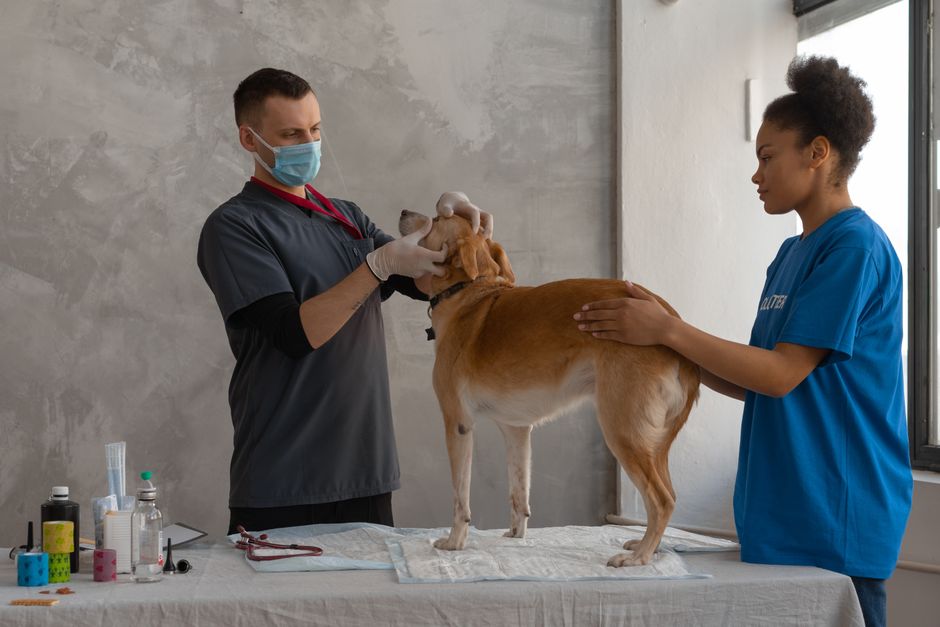
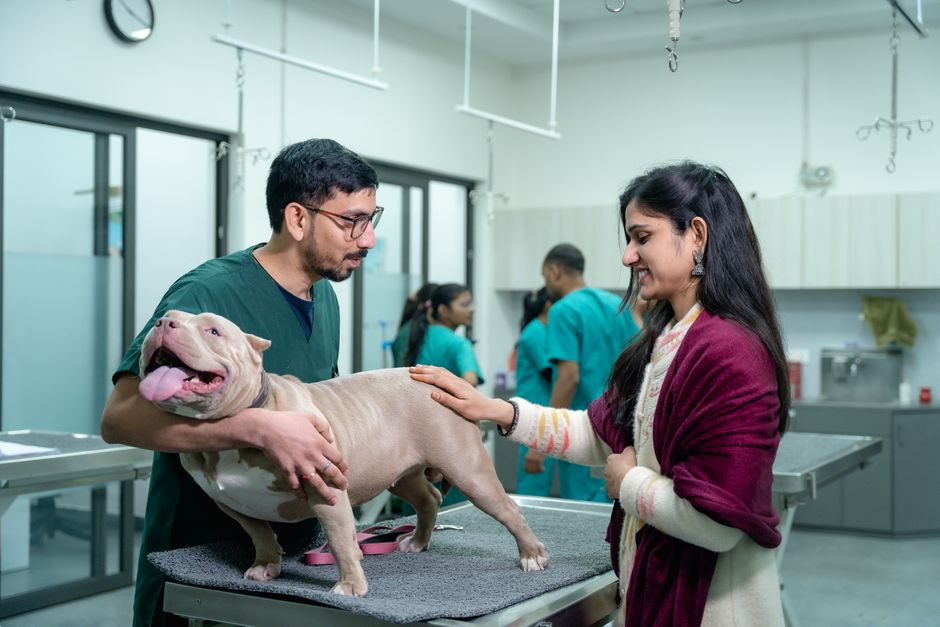
When you bring your dog in for a scooting concern, our approach begins with a comprehensive evaluation to determine the root cause. Our veterinarians will start by asking about your dog's recent behavior, diet, and any other symptoms you have noticed. We will perform a thorough physical examination, paying special attention to the anal glands, skin, and overall condition of your pet.
If we suspect anal gland problems, we can manually express these glands in a gentle, safe manner. If there are signs of infection, such as swelling, pus, or significant pain, we will discuss treatment options that may include antibiotics or anti-inflammatory medications. For dogs with recurrent anal gland issues, we may also discuss dietary changes or fiber supplements to promote natural gland emptying.
If intestinal parasites are a possibility, our veterinarians may recommend a fecal exam to check for worms or eggs. We can then prescribe the appropriate deworming medication to clear the infection. For dogs with itchy, inflamed skin, our dermatology services and allergy testing help us identify and manage underlying allergies with targeted therapies and recommendations for ongoing care.
Our team will also address any other health issues contributing to scooting, such as skin irritations, constipation, or dietary concerns. We always take the time to explain our findings and guide you through the treatment plan so you feel confident about the next steps for your dog's health.
Home Care and Prevention Tips for Dog Scooting Butt
While professional veterinary care is essential for diagnosing and treating the underlying cause of scooting, there are several things you can do at home to support your dog's comfort and reduce the risk of future problems. Maintaining good hygiene for your dog is a key step; regular bathing with a gentle, dog-safe shampoo and keeping the area around the tail clean can help prevent irritation. For dogs with long hair, keeping the fur trimmed near the rear end may reduce the risk of matting and fecal buildup.
A healthy, balanced diet that is high in fiber can support normal bowel movements and encourage natural anal gland expression during defecation. If your veterinarian recommends it, adding a small amount of canned pumpkin or another fiber source can be helpful. Flea control is also crucial, as fleas are a common vector for tapeworms. Using effective, veterinarian-recommended flea prevention products will protect your dog from both external parasites and the internal issues they can cause. If your dog has known allergies, try to minimize exposure to triggers and follow your veterinarian's recommendations for management, which may include prescription diets or medications.
Monitoring your dog for early signs of discomfort is another important preventive step. If you notice your dog starting to scoot, lick excessively, or show signs of pain, do not wait to address the issue. Prompt attention can prevent minor problems from becoming more serious.
When to Contact Your Veterinarian About Dog Scooting Butt
It can be difficult to know when scooting is a minor issue and when it requires veterinary attention. If your dog scoots more than once or twice, appears to be in pain, or if you notice additional symptoms like swelling, redness, bleeding, or a foul odor, it is time to schedule an appointment. Persistent scooting, especially when accompanied by behavior changes such as reluctance to sit, decreased appetite, or lethargy, should always be checked by a veterinarian.
You should also contact your veterinarian if you notice worms or unusual material in your dog's stool, as these can indicate a parasite problem requiring specific treatment. Dogs with a history of chronic anal gland issues, allergies, or skin problems may benefit from more frequent checkups and preventive care. Remember that attempting to express your dog's anal glands at home can be risky and may cause injury or infection if not done correctly; always seek professional guidance for this procedure.
If you are unsure whether your dog's scooting is cause for concern, our veterinary professionals at Express Vets Cumming are always happy to answer your questions and help you decide on the best course of action. Our primary veterinary care services are designed to address a wide range of health concerns, ensuring your pet's comfort and wellbeing throughout every stage of life.
Supporting Your Pet’s Comfort and Health in Cumming
Dealing with dog scooting butt can be stressful for both you and your pet, but you do not have to navigate these challenges alone. At Express Vets Cumming, our veterinarians are dedicated to providing compassionate, thorough care for dogs experiencing discomfort, whether from anal gland issues, parasites, allergies, or other concerns. We aim to educate pet owners and empower you with clear information so you can recognize symptoms early and take proactive steps for your dog's health.
If you need help with a dog scooting butt or any other pet health concern, please contact us to schedule an appointment. Our team is here to help you with everything from parasite prevention and control to advanced dermatology and routine wellness exams. When searching for a trusted "vet near me," you can rely on our experienced team at 5485 Bethelview Rd. Suite 440, Cumming, GA 30040 to provide the care and answers your pet deserves. Give us a call at (470) 239-7672 to schedule your visit or learn more about how we can help your dog find lasting relief from scooting and other uncomfortable symptoms.
This blog is intended for informational purposes only and should not be used as a substitute for professional veterinary care. If you have concerns about your dog’s health, always consult with your veterinarian for personalized advice and treatment.