Beat the Heat: Summer Safety Tips for Dogs in Cumming
Beat the Heat: Summer Safety Tips for Dogs in Cumming
When the Georgia summer arrives, pet owners across Cumming know that heat and humidity can make outdoor time challenging for every member of the family—including our dogs. As temperatures climb in July and August, keeping your canine companion safe from heat-related dangers is essential for their health and happiness. At Express Vets Cumming, our veterinary team understands how quickly summer heat can affect dogs, and we are dedicated to helping you protect your pet all season long. In this blog, we will explore practical summer safety tips for dogs, signs of heat exhaustion to watch for, prevention strategies, and how our clinic at 5485 Bethelview Rd. Suite 440, Cumming, GA 30040 can support your dog’s health during hot weather. Whether you’re hiking local trails, spending afternoons in the backyard, or simply taking your pup for a short walk, understanding how to prevent heat-related issues is one of the best ways to show your love and care.
Recognizing the Signs: How Heat Affects Your Dog
Dogs are especially vulnerable to high temperatures because they don’t sweat the way humans do. Instead, they rely on panting and limited sweat glands in their paw pads to regulate body temperature. When the air is hot and humid, these cooling mechanisms can quickly become overwhelmed, putting dogs at risk for heat exhaustion or even heatstroke.
Key symptoms of heat exhaustion in dogs include excessive panting, drooling, and restlessness. As overheating progresses, you may notice your dog becoming weak, lethargic, or even disoriented. Other warning signs are bright red or pale gums, vomiting, diarrhea, and a rapid heart rate. In severe cases, collapse or seizures may occur. If your dog starts to display any of these symptoms during a summer outing or even while relaxing in the yard, it’s important to act quickly and seek veterinary care.
Some dogs are more prone to heat-related problems than others. Breeds with short noses like Bulldogs and Pugs, older dogs, puppies, and dogs with underlying health conditions or thick coats are at higher risk. Always keep a close eye on your pet, especially during the hottest parts of the day, and be alert for early signs of discomfort or distress.
Understanding Why Dogs Overheat: The Science Behind Summer Risks
Dogs overheat more easily than humans because their primary method of cooling—panting—is less efficient in humid conditions. When the air is saturated with moisture, evaporation from the tongue and respiratory tract slows down, making it difficult for your dog to lower their body temperature. Asphalt, sand, and even artificial turf can become dangerously hot in the Georgia sun, exposing paw pads to potential burns and making walks uncomfortable or hazardous.
Other contributing factors include inadequate shade, insufficient access to fresh water, and being left in parked cars, which can become deadly in just minutes even with the windows cracked. Heat can also build up indoors if air conditioning fails or if rooms are poorly ventilated. High-energy play or exercise in the heat, especially for dogs not yet acclimated to summer weather, increases the risk of overheating.
Environmental allergens, which tend to be more prevalent in summer, can also impact your dog’s comfort. Dogs with allergies may pant more, become more restless, or experience skin irritation that can be aggravated by heat. Our veterinary team at Express Vets Cumming offers allergy testing and dermatology services to help manage these concerns, keeping your dog as comfortable as possible all summer long.
What to Do if Your Dog Overheats: Immediate Care and Veterinary Treatment
If you suspect your dog is overheating, it’s important to move them to a cooler area right away. Encourage them to rest in the shade or indoors with air conditioning or a fan. Offer small amounts of cool (not ice cold) water, allowing your dog to drink at their own pace. Wetting your dog’s paws and belly with cool water can help, but avoid using ice or very cold water, as rapid cooling may cause shock.
Veterinary intervention is crucial if your dog’s symptoms are severe or do not improve quickly. Our primary care veterinary team can provide advanced supportive care such as intravenous fluids, oxygen therapy, and continuous monitoring. Dogs recovering from heat exhaustion or heatstroke may require ongoing observation to prevent complications.
If your dog has a pre-existing condition, such as heart disease, respiratory problems, or a history of heat sensitivity, a wellness examination before peak summer is a wise precaution. This allows our veterinarians to assess your dog’s health, recommend customized safety strategies, and address any specific risks your pet may face during the hottest months.
Preventing Heat-Related Illness: Summer Safety Tips for Dogs
Prevention is always better than treatment when it comes to keeping your dog safe from summer heat. Start by scheduling walks and outdoor play for early morning or late evening when temperatures are cooler. Always bring fresh water for your dog, and encourage frequent drink breaks. In your backyard, make sure there is ample shade and a cool, comfortable resting area.
Never leave your dog in a parked car, even for a few minutes. Temperatures inside vehicles can soar rapidly, creating life-threatening conditions. At home, ensure your dog has access to cool, well-ventilated rooms, and consider using fans or air conditioning during heatwaves. If you notice your dog prefers lying on tile or wood floors, allow them to do so, as these surfaces help dissipate heat.
For dogs prone to allergies or skin irritation, regular grooming and prompt attention to hot spots or rashes are important. Fleas, ticks, and other parasites also thrive in summer, so maintaining a parasite prevention and control plan is essential for your dog’s comfort and wellbeing.
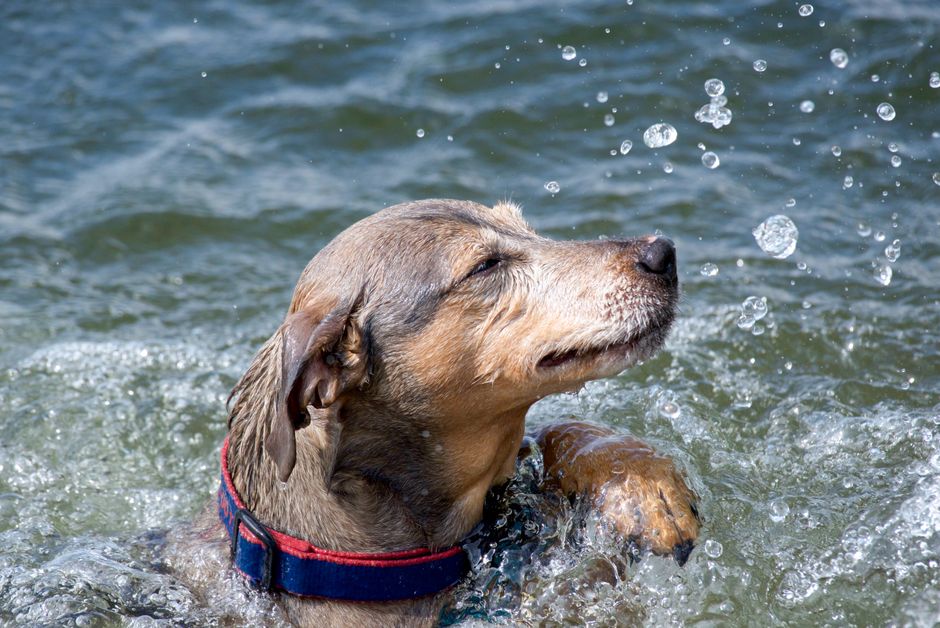
Some families enjoy water play, such as sprinklers or shallow kiddie pools, which can be a fun way for dogs to cool off. Always supervise these activities to prevent accidents, and avoid letting your dog drink pool water, as chemicals can cause stomach upset.
When to Seek Veterinary Care: Protecting Your Dog in the Heat
Knowing when to seek professional help can save your dog’s life. If your dog shows persistent panting, drools excessively, becomes weak or unresponsive, or has vomiting, diarrhea, or seizures, contact a veterinarian immediately. Quick action is especially important for dogs with existing health conditions, puppies, older dogs, and brachycephalic breeds.
Even if symptoms are mild, if you’re unsure about your dog’s condition, it’s always better to err on the side of caution and reach out for guidance. At Express Vets Cumming, we encourage you to schedule an appointment if you have any concerns about your dog’s ability to handle Georgia’s summer weather. Our veterinary professionals can provide tailored advice and monitor your pet for underlying issues that may require attention.
For ongoing support, regular wellness examinations and checkups help us catch potential risks early, update parasite prevention, and ensure your dog is up-to-date on vaccination services needed for a safe, active summer.
Keeping Your Dog Cool: Local Resources and Express Vets Cumming Support
Summer should be a time for fun and outdoor adventures with your dog, not a season of worry. By staying informed about the risks of heat, watching for early warning signs, and taking proactive steps, you can help your dog enjoy the best of Cumming’s warm months safely.
If you need guidance on heat safety, allergy management, or preventive care, Express Vets Cumming is here to help. Our team of veterinarians is dedicated to providing comprehensive care, from routine checkups to urgent sick visits. When searching for a veterinarian near me, choosing a clinic that understands the unique needs of pets in Cumming and surrounding communities ensures your dog receives expert, compassionate care close to home.
Schedule an appointment with our veterinary team by calling (470) 239-7672 or visiting us at 5485 Bethelview Rd. Suite 440, Cumming, GA 30040. For more information on our approach to summer safety, wellness examinations, or parasite prevention and control, our veterinary professionals are always happy to answer your questions and support your efforts to keep your dog healthy—no matter how high the temperatures climb.
Disclaimer: This blog provides general information and should not replace professional veterinary advice. If your dog is experiencing signs of heat exhaustion or other health concerns, contact your veterinarian immediately for personalized care.